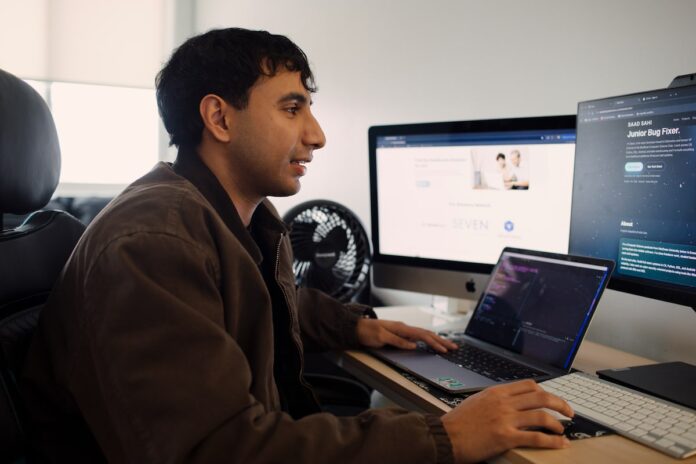
In recent years, the emergence of vibe-coding, a term coined by Andrej Karpathy, has transformed software development. This process allows individuals, regardless of their coding expertise, to generate code via AI tools like OpenAI and Anthropic. While companies benefit from increased efficiency and reduced workforce needs, concerns arise about the quality and security of AI-generated code. Studies indicate that AI models introduce significant security flaws, creating a market for vibe-coding cleanup specialists to address the glitches in these applications. Though many have achieved success in creating functional software, the potential for buggy, insecure programs remains high, prompting warnings from industry experts about reliance on AI. As AI continues to evolve, coding education may need to adapt to ensure competency. Universities emphasize critical learning alongside AI use to prevent skill stagnation among students. The balance between leveraging AI and maintaining foundational coding skills is essential for future developers in this rapidly changing landscape.
Accessible Coding: How AI-Powered Vibe-Coding Democratizes Programming, Along with Its Challenges
Share

Read more