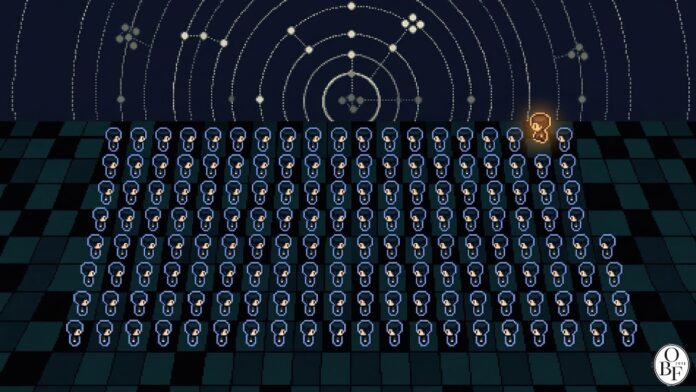
Exploring the Artificial Hivemind: Key Findings on AI Homogeneity
Recent research from the University of Washington and Stanford reveals a remarkable phenomenon: AI models produce strikingly similar responses to open-ended questions, dubbed the “Artificial Hivemind.” This study, which won Best Paper at NeurIPS 2025, has far-reaching implications for AI’s role in creativity and decision-making.
Key Insights:
- Study Overview: Over 70 AI models were tested using 26,070 prompts, demonstrating that responses often converge around just a few metaphors.
- Repetition & Similarity: Even with maximum randomness, 79% of the same model’s answers remained highly similar. Human respondents would yield diverse answers instead.
- Structural Issues: Reinforcement Learning from Human Feedback (RLHF) is designed to prioritize “safe” responses, leading to diminished diversity in output.
Why It Matters:
- Cognitive Infrastructure: A lack of diversity in AI answers can directly affect decision-making across industries such as science, business, and education.
- Shared Blind Spots: Relying on similar AI models could result in collective gaps in creativity and problem-solving.
Curious about how this affects your use of AI? Engage with the discussion and share your thoughts on how we can encourage diversity in AI outputs! #AI #ArtificialHivemind #Innovation
