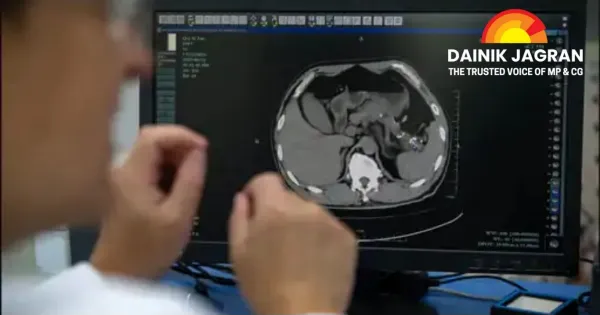
A 57-year-old factory worker, Qiu Sijun, recently became a success story for early pancreatic cancer detection thanks to an AI-based system called PANDA, developed by Alibaba’s Damo Academy. After abnormal patterns were identified in his diabetes screening, further tests revealed pancreatic cancer in its early stages, allowing timely surgical intervention. Notably, pancreatic cancer has a five-year survival rate of just 10% and is often asymptomatic until advanced. PANDA analyzes non-contrast CT scans, making it a safer alternative to high-radiation scans. This innovative tool has shown a 93% accuracy rate in identifying cancer in previously normal scans and has been validated through clinical trials involving over 180,000 images. While the US FDA has granted PANDA “Breakthrough Device” status, experts stress that AI is a supplementary resource, not a replacement for medical professionals. Early detection tools like PANDA could revolutionize outcomes for pancreatic cancer patients by facilitating timely and effective treatments.
Source link
China Unveils AI Technology for Early Detection of Pancreatic Cancer, Offering New Hope Against a Lethal Disease
Share

Read more