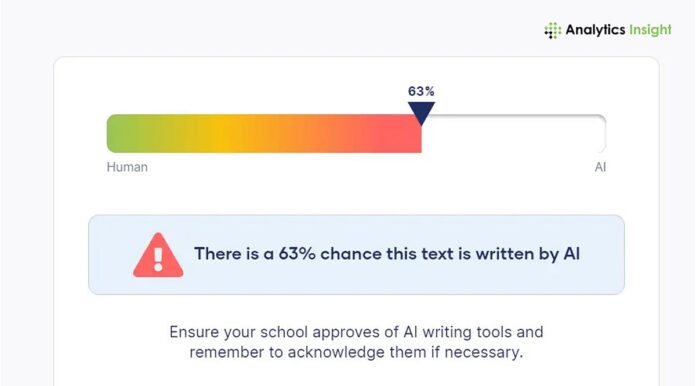
Free AI detectors offer probability-based assessments but should not be the sole criteria for academic or newsroom decisions. While they aid in screening, their accuracy is limited, particularly when polished human writing mimics AI output, leading to false positives. Some detectors can identify lightly edited AI content, but heavily paraphrased material often evades detection, compromising reliability. To mitigate risks, it’s advisable to use multiple AI detection tools, as this approach minimizes reliance on one algorithm and can highlight inconsistent findings. It’s important to differentiate between AI detectors and plagiarism checkers; while the former estimate authorship style, the latter compare text against existing sources. Understanding these distinctions enhances the effective use of such tools in ensuring content integrity. Overall, the best practice involves combining various detection methods while being aware of their limitations.
Source link
Share

Read more