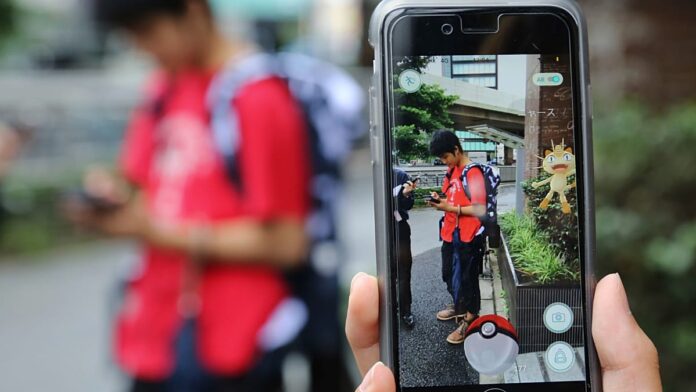
Since its 2016 launch, Pokémon Go has captivated over 100 million players globally in 2024, transforming cities like Brussels and Paris into augmented reality (AR) playgrounds. The game’s developer, Niantic, recently spun off a new entity, Niantic Spatial, focusing on building detailed 3D maps using images gathered through gameplay. Although rumors suggest players unknowingly contribute visual data for navigation systems, Niantic clarifies that data collection is voluntary and requires players to opt-in after reaching level 20.
This AR functionality began in 2020, allowing players to scan specific landmarks while acknowledged messages inform them of data usage. The Visual Positioning System (VPS) developed by Niantic aims to enhance positioning accuracy in areas where GPS falters. A partnership with Coco Robotics will integrate this technology into urban delivery robots, enhancing navigation capabilities in complex city landscapes. This collaboration marks a significant step for AR technology in real-world applications, solidifying Pokémon Go’s legacy in interactive gaming.
