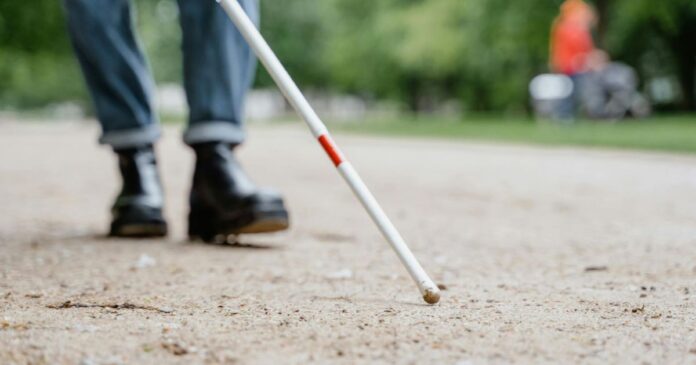
Researchers at Penn State have developed NaviSense, an innovative AI app designed to assist visually impaired individuals by providing real-time object location through voice commands. Utilizing smartphone camera sensors, spatial audio cues, and vibration feedback, NaviSense guides users to nearby objects without requiring preloaded models or extensive setup. This groundbreaking technology can dynamically adapt to various environments, like kitchens or sidewalks, delivering precise guidance by indicating left, right, up, or down movements, and confirming proximity with a “bullseye” notification.
By leveraging AI-powered object recognition through an external server, NaviSense enhances user independence and navigation confidence, making everyday spaces more accessible. This tool not only benefits the visually impaired but exemplifies how AI can enhance inclusivity and accessibility in daily life. With commercial release on the horizon, NaviSense represents a significant leap in assistive technology, merging functionality with human-centric design. Embrace the future of accessibility with NaviSense, a vital step toward a more inclusive world.
Source link
