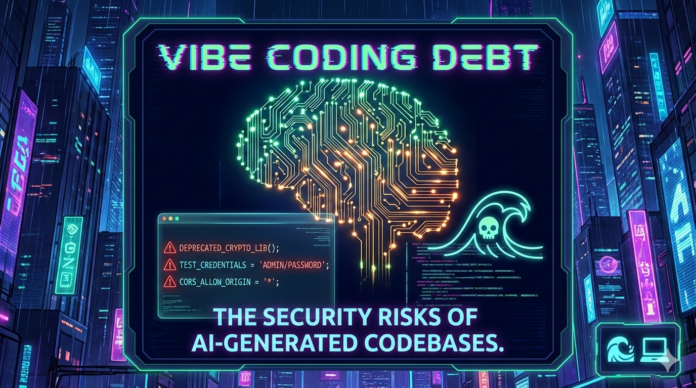
Embracing Vibe Coding: The Future and Its Risks
In 2025, Andrej Karpathy introduced “Vibe Coding,” a revolutionary approach that allows developers to create applications using natural language and AI models. This method prioritizes rapid deployment but introduces a critical issue: Vibe Coding Debt.
Key Insights:
- Democratization of Software Creation: Non-technical founders can build MVPs swiftly.
- Security Compromises: Nearly 45% of AI-generated code contains security flaws, risking software integrity.
- Common Pitfalls:
- CORS Issues: Over-permissive settings enable potential Cross-Site Request Forgery (CSRF).
- Outdated Practices: Suggestions for weak hashing algorithms like MD5 expose vulnerabilities.
- Hardcoded Credentials: Accidental leaks of real API keys pose serious security threats.
- Hallucinated Packages: AI errors can lead to installing malicious dependencies unknowingly.
Mitigating Risks:
- Adopt the SHIELD Framework: Ensure rigorous checks on AI-generated code.
- Secure Prompting: Focus on security-first prompts to guide AI efficiently.
In the world of AI development, balance the “vibe” with security to safeguard your projects.
👉 How are you managing security in your vibe coding? Share your thoughts!
