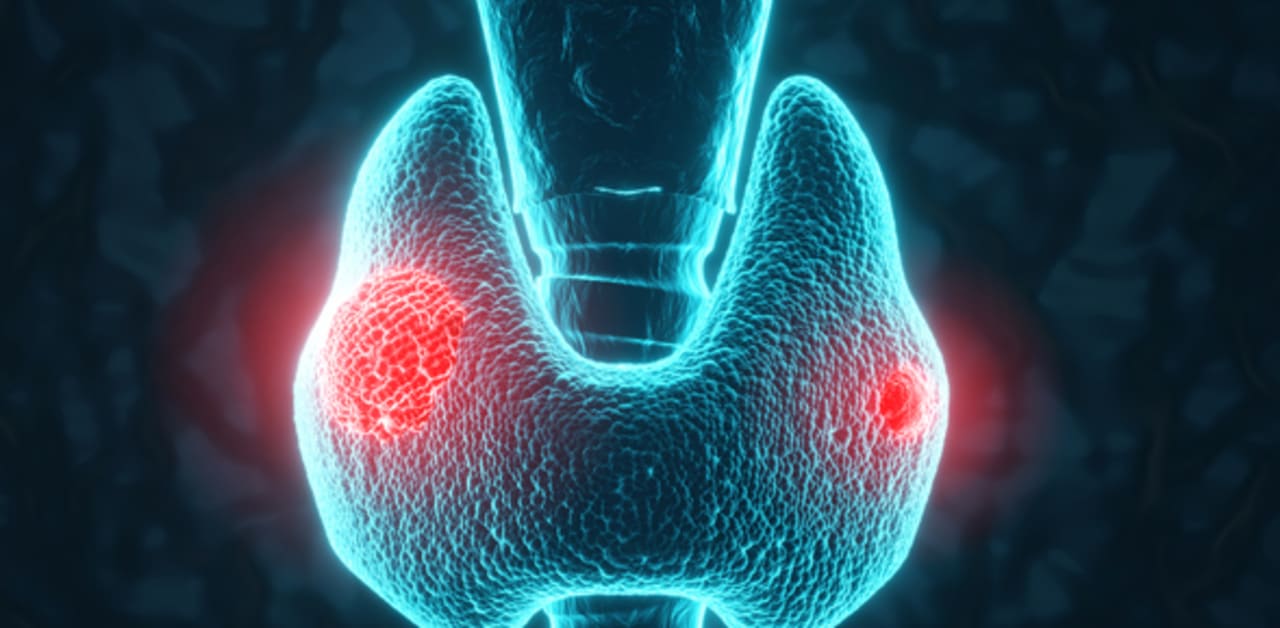
Six FDA-cleared AI platforms are enhancing ultrasound evaluations for thyroid nodules, demonstrating improved diagnostic accuracy over inexperienced physicians, according to a review by Dr. Johnson Thomas and Dr. Franklin N. Tessler published in Thyroid. These platforms utilize established risk stratification systems, such as ACR TI-RADS, to analyze sonograms and estimate malignancy risks. Notable systems include AmCAD-UT, which notably increased accuracy among junior readers, and S-Detect, which achieved 95% sensitivity in its evaluations. Although multimodal large language models like ChatGPT-4o showed weaker performance in diagnostic tasks, ongoing research is investigating AI for lymph node and cytology assessments. Despite promising capabilities, barriers such as workflow friction and reimbursement issues hinder widespread adoption. Experts emphasize the need for independent validation and tailored implementation strategies to integrate AI effectively into clinical environments. Overall, while AI offers potential enhancements for thyroid nodule assessments, careful selection and integration into existing workflows are crucial for optimal performance.