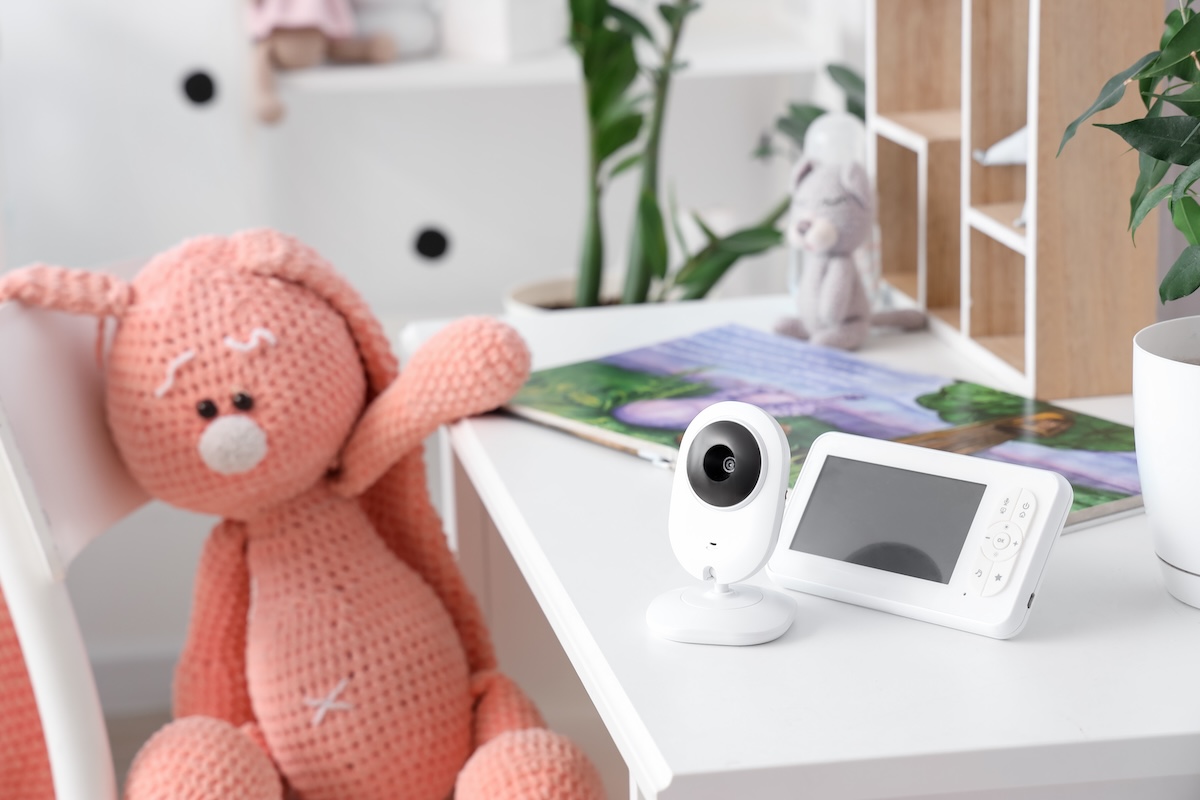
AI is increasingly integrated into the lives of young children, influencing their development from birth to age eight when brain growth is most critical. Common AI applications include baby monitors, smart toys, voice assistants like Alexa, and educational apps, which often operate passively and invisibly, affecting how caregivers raise their children. Approximately two and a half hours of screen time daily highlights the prevalence of tech usage in this age group. However, limited research raises concerns about the impacts of these technologies on children’s development, relationships, and data privacy—as young children cannot consent to data collection practices. Moreover, equity is an issue, with access to AI tools concentrated among affluent families. Parents and caregivers must stay informed about the AI landscape and its potential implications for healthy childhood development, ensuring that technology enhances rather than diminishes human connections. Policymakers are urged to establish guidelines to protect young children’s safety and privacy in this rapidly evolving environment.
Source link