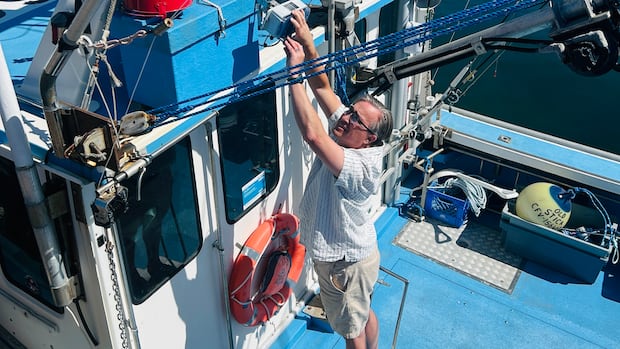
Advocates claim that the at-sea observer program for Atlantic Canada’s fisheries is failing, with many fisheries not meeting the required monitoring levels. The program faced significant labor shortages exacerbated by the COVID-19 pandemic, leading to inadequate coverage of fishing vessels. Reports indicate that critical fisheries, like winter flounder and halibut, had observer presence below one percent, while coverage targets range from five to 20 percent, or even 100 percent in some cases. At-sea observers play a vital role in monitoring compliance, gathering scientific data, and ensuring sustainable fisheries management. Issues such as staff retention, logistical challenges, and low compensation for observers contribute to this dilemma. The recent pilot of an electronic monitoring system by Oceans North uses AI to help fill the gaps, but advocates express concern that current departmental efforts aren’t addressing the urgent needs for program overhaul. This shortage could jeopardize fisheries’ sustainability certifications and marketability.
Source link