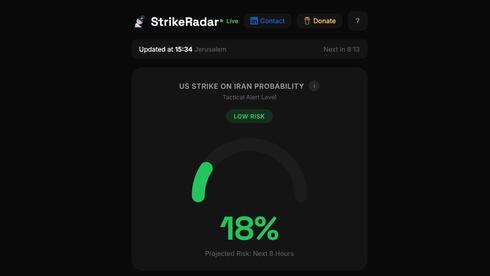
As tensions rise in the Middle East, the Israeli project StrikeRadar utilizes artificial intelligence to predict U.S. strikes on Iran. Developed by Yonatan Back, a tech product manager without coding experience, the tool integrates multiple data sources to deliver real-time probability scores through an interactive dashboard. Within hours, Back used the Claude language model to create a system that analyzes critical information like news reports and military movements, reflecting a shift from traditional intelligence methods. Unlike prediction markets like Polymarket, which are affected by emotion and financial dynamics, StrikeRadar focuses on objective data analysis. It signifies a new era in conflict forecasting, moving from historical models to dynamic systems able to recognize patterns. As public demand for timely insights grows, tools like StrikeRadar offer accessible strategic intelligence, complementing institutional methods while leaving final decision-making to humans. This evolution illustrates the increasing role of AI in geopolitical foresight.
Source link