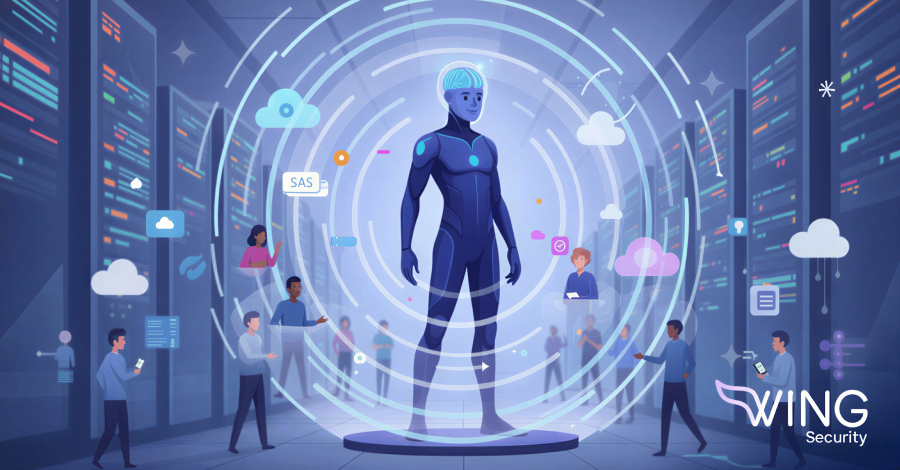
AI agents are transforming workplace productivity by autonomously performing tasks like scheduling, data access, and code writing, often surpassing human capabilities. However, their rapid deployment and broad access permissions pose significant security challenges, complicating accountability. Unlike traditional users or service accounts, AI agents possess delegated authority, allowing them to act on behalf of multiple users without continuous human oversight. This significantly alters Identity Access Management (IAM) models, creating exposure risks and leading to unauthorized actions facilitated by these agents.
Three types of AI agents—personal, third-party, and organizational—each present unique security issues. Organizational agents, often ownerless and with extensive permissions, represent the highest risk. To mitigate risks, organizations must establish clear ownership, ensure visibility into user-agent interactions, and map agent access across systems. With such measures, enterprises can secure AI agents effectively and prevent them from becoming dangerous, ungoverned elements in their security landscape. For more insights, visit Wing Security.